Introduction to Machinery
Mirror polishing can be divided into mechanical mirror polishing and chemical solution mirror polishing.
Mechanical mirror polishing is the process of grinding (rough grinding, fine grinding) and polishing on metal materials to achieve a flat and shiny mirror like surface.
Chemical solution mirror polishing is the use of chemical solution immersion to remove surface oxide skin and achieve a bright effect.
Mechanical mirror polishing
Mechanical mirror polishing is the process of polishing metal materials through a grinding process (coarse grinding, fine grinding) and a three-step polishing process (three-step polishing) to achieve a flat and shiny mirror like surface.
1、 Polishing process
The purpose of polishing is to obtain a flat and smooth grinding surface. At this point, there are still extremely fine and uniform grinding marks on the grinding surface. Polishing is divided into two types: coarse grinding and fine grinding.
1. Rough grinding is the process of correcting rough surfaces and irregular shapes into shape.
2. After rough grinding, there are still deep scratches on the metal surface that need to be eliminated during fine grinding in preparation for polishing.
2、 Surface polishing process
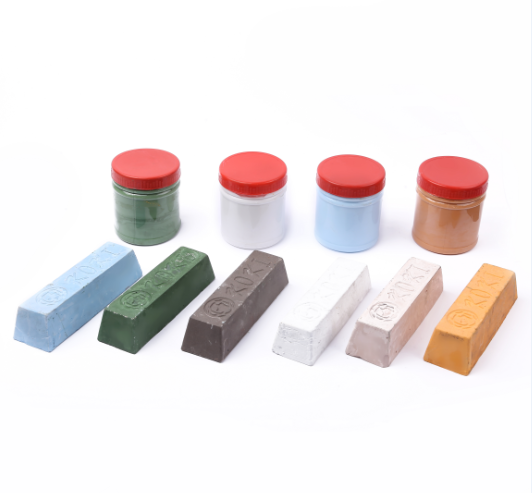
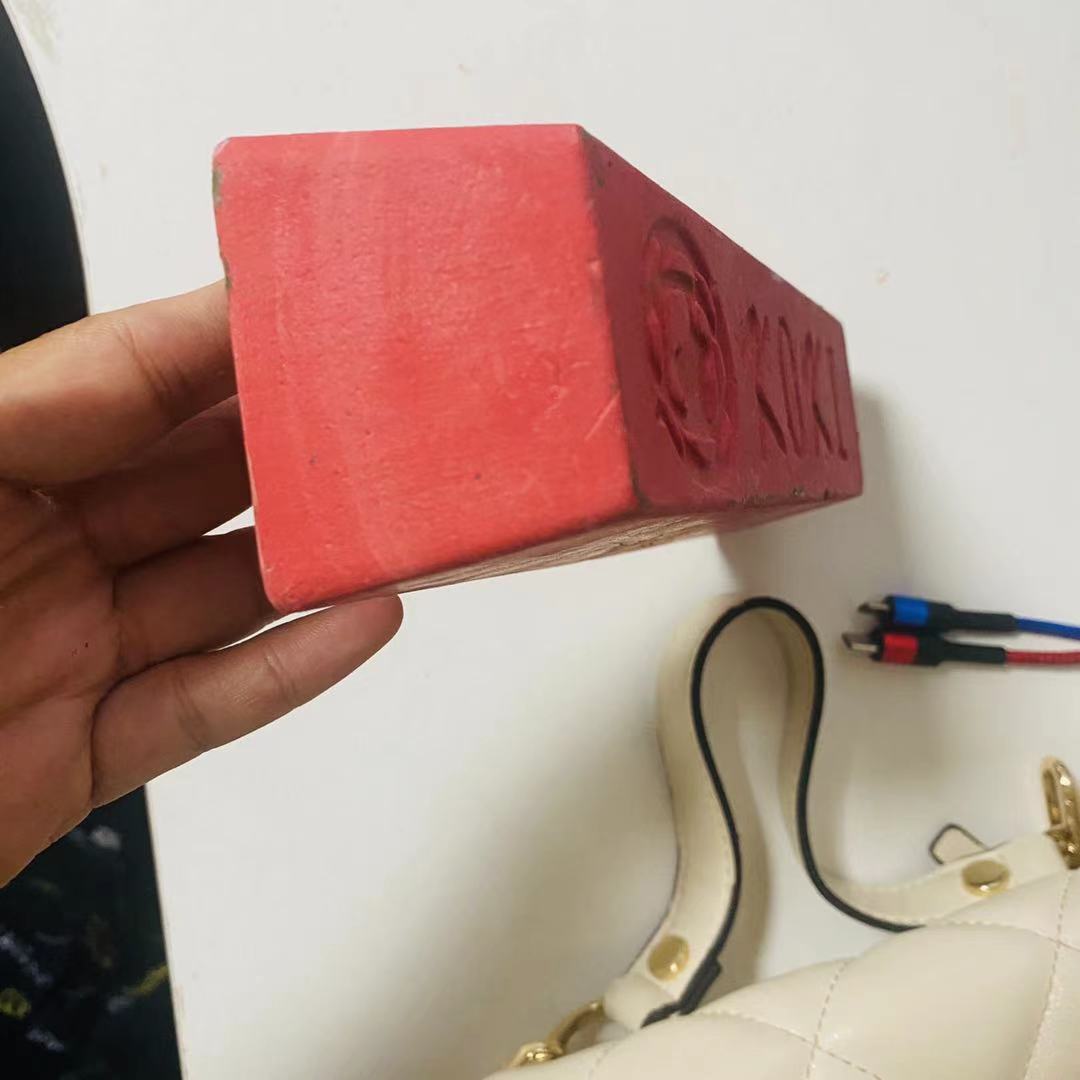
The polishing process is to obtain a mirror like surface finish. Most polishing wheels are used to repeatedly polish the surface of parts with extremely small unevenness, which is commonly used for surface modification of coatings.
Polishing is the final process on the surface of a coating or part, with the aim of eliminating any minor abrasions remaining on the surface after the polishing process. The ideal polishing surface should be a mirror like surface that is flat, shiny, scratch free, free of relief, pits, and metal disturbance layers. The surface changes after polishing and polishing.
Three step mirror polishing
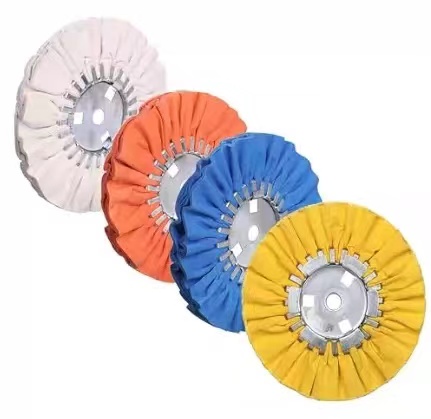
Three step mirror polishing is a process in which electric tools are used in sequence to polish three types of polishing materials: sisal wheel, slurry cloth wheel, cotton cloth wheel, etc. The polishing process is nylon wheel, non-woven cloth wheel, and the surface polishing process is cotton cloth wheel. [1]
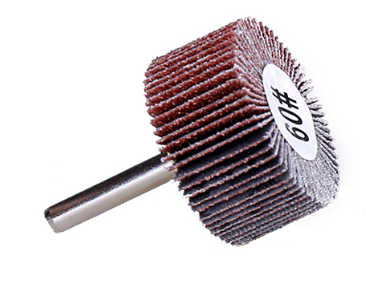
Step 1: flap wheels
The structure of flap wheels is composed of surface polishing materials and coated abrasives, which can achieve rough grinding and preliminary fine grinding by removing rough surfaces and irregular shapes.
Step 2: Non wonven polishing wheel
High concentration abrasive is distributed on a sturdy non-woven fabric substrate, removing surface calendering or burrs on stainless steel, achieving fine grinding, and preparing for polishing.
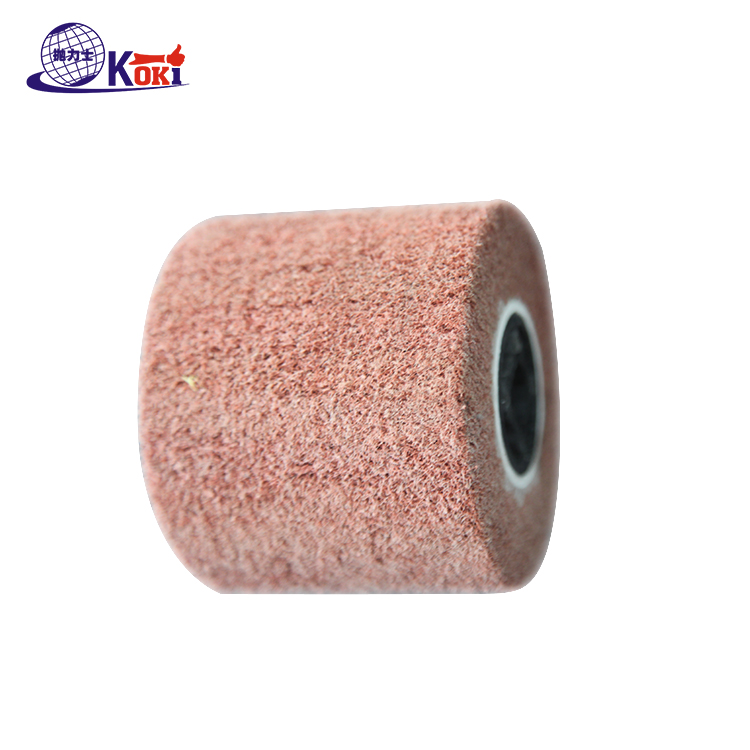
Step 3: Cotton cloth Wheel
Cotton cloth wheels have good flexibility and are easy to accelerate air flow and cooling, making them suitable for use with polishing wax or paste to achieve the last step of the mirror like metal surface processing process.